
THE HEART OF ENDURANCE - Kelvin Bruce Basquial
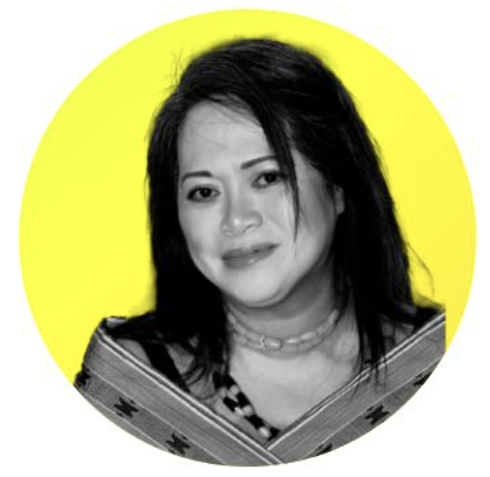
A Conversation with Kelvin Bruce Basquial - Healthcare Leader, Educator, Musician, and Endurance Athlete

“There’s a kind of stamina that never shows up on a race clock,” Kelvin Bruce Basquial says early in our conversation - and it’s clear he’s not just about triathlons, For nearly two decades, that stamina has shown up in hospital wards, nursing homes, and people’s own homes through community care; in classrooms; and in disaster response zones. Today it shows up in his role as Person in Charge across several residential and day services facilities for people with disabilities, guiding individuals through some of the most uncertain transitions in their lives towards safe, dignified, long-term care.
It’s a demanding vocation, and only one thread in a life that also holds teaching music, and Ironman triathlons - often in the same season. Sitting down with Kelvin, I found myself less interested in how he manages all of it than in why.
You’re holding space for someone during a genuinely uncertain chapter.
On his current role: “I’m the Person in Charge across a number of residential and day services facilities supporting people with disabilities. In practical terms, that means, I hold overall responsibility for how each of those services run day to day, the quality of care, the safety of the environment, staffing and rostering, and making sure everything we do meets the regulatory standards required of us here in Ireland, consistently, across every site. Many of the individuals we support come to us through referral, often during an emergency or a transitional period in their lives, so a large part of my role is coordinating with the wider team - care staff, allied healthcare professionals, families, and the referring services - to make sure that move into short- or long-term, temporary or permanent care is handled safely and with dignity, no matter which facility they’ve come into. It’s intense work, genuinely, and managing it across multiple locations means a lot of moving between sites while holding the same standard everywhere. But it’s also some of the most meaningful work I’ve ever done, because you’re not just managing services - you’re holding space for people during a genuinely uncertain chapter of their lives. Getting that right depends on every team, at every site, pulling in the same direction.”
Regulation isn’t red tape, it’s a promise to the people in your care.
On working within Ireland’s healthcare and disability standards: “Ireland has a fairly robust legal and regulatory framework for residential and disability services. Every service I’m responsible for undergoes its own inspection and monitoring to ensure it meets national standards for safety, dignity, and quality of care. Being the Person in Charge means the accountability sits with me, across every facility, not just one. You’re making sure documentation is accurate, that staff are properly trained and supported, and that safeguarding procedures are actually lived day to day in each home - not just written down in a policy folder somewhere.I know regulation can sound like paperwork from the outside, but I don’t expect it that way. Those standards exist because the people in our care are often at their most vulnerable, and they depend on us getting it right, consistently, whether or not anyone’s inspecting us that day. For me, that’s not bureaucracy - it’s a promise you make to the people you’re supporting, and to their families, in every service you’re responsible for.”
Every one of those taught me the same lesson.
On the path that got him here: “Before this, I was an Assistant Director of Nursing at a nursing home in Limerick, helping lead the nursing team, supporting staff training, and making sure we met national care-quality standards. Before that, I was a staff nurse in Dundalk, doing hands-on, individualised care for older adults alongside a wider multidisciplinary team - and earlier still, I worked across hospital wards and in community care, supporting people in their own homes. Those are two different worlds. A hospital ward moves fast, and the acuity is high. Community care is slower and quieter, and it happens on someone else’s terms - you’re a guest in their home, supporting their independence and dignity in the space that’s actually theirs. Moving between those settings taught me to adapt without losing sight of the person in front of me. Every one of those roles taught me the same lesson, really - meet people exactly where they are. That’s the foundation everything else is built on.”

Paying it Forward: Kelvin’s way of giving back to the profession that gave him everything.
On mentoring nurses from abroad: “For the last five years, alongside my day job, I’ve been coaching internationally trained nurses through the licensing exam they need to work in Ireland. It’s a stressful process for a lot of people, especially when you’ve moved to a new country and everything feels unfamiliar, and you’re trying to prove yourself all over again in a system you don’t fully know yet. I remember what that felt like myself, starting out. So this has never felt like extra work to me - it’s my way of giving back to the profession that gave me everything. I’ve supported over a thousand nurses through it now. Watching someone go from anxious to confident, and then hearing they’ve passed and registered - that ever gets old.”
Where the Instinct to Serve Began.
On his teaching roots in Oman and the Philippines: “Dublin wasn’t the beginning. I spent years as a Senior Nurse Instructor at Oman College of Health Sciences, under the Ministry of Health, teaching adult health nursing, first aid, mental health, pharmacology, and the local healthcare system - and supervising students through placements in emergency care, intensive care, surgery, coronary care, burns, and outpatient services. But if you go back further, it really started in the Philippines, at Benguet State University, where I taught medical-surgical and psychiatric nursing and later trained graduate nurses preparing for their licensure exams. Before even that, I worked as a Community Health Nurse and Emergency Responder with the Philippine Red Cross-Benguet Chapter, bringing basic healthcare, first aid, and emergency training directly to remote communities. That's really where the instinct to serve comes from - long before it became a job title.”
“It doesn’t mean much if it just sits in a journal."
On research and academic work: “I hold a Bachelor of Science in Nursing from Benguet State University; a Master of Arts in Nursing from Baguio Central University, and more recently a Postgraduate Certificate in Wound Management and Tissue Viability from the Royal College of Surgeons in Ireland. I’ve also published research - on disability care, care for older adults, wound management, exam preparation for nurses, medication safety, autism support, and how workplaces can better support adults with intellectual disabilities. But research doesn’t mean much to me if it just sits in a journal somewhere. I want it to actually change how people are cared for.”
“I didn’t make it for the charts. I made it for the people I’ve served."
On composing music: “Last year I wrote and produced an album called We Are Triathlon - it’s about hope, discipline, and my own experience as an endurance athlete. I also released a blues project called Fragile Mind, which came out of years spent caring for older adults. It’s meant as a gentle, honest message for families and caregivers dealing with dementia. I didn’t make it for the charts. I made it for the people I’ve spent my career serving.”
Kelvin later submitted both songs to Likhang Musika, a music showcase held through the Philippine Embassy in Ireland, where they were warmly received - a proud moment for a project that started as something deeply personal.
The Discipline Beath It All - “It’s rarely the physical part that breaks you.”
On endurance racing: “I’ve done Ironman Barcelona, the Ironman Cork Middle Distance Triathlon, and a handful of marathons and long-distance swims around Ireland - Galway Bay, Dublin City, Cork City, the Limerick Marathon, and the Limerick Island Swim. Anyone who’s trained for something like that will tell you it’s rarely the physical part that breaks you. It’s the discipline to keep showing up when nobody’s watching. Honestly, that’s the same discipline my whole career has been built on. I’ve just usually been doing it for someone else”.

I asked him how he balances healthcare, teaching, music, and enduring racing…
Kelvin pushes back gently on the question. He doesn’t experience it as balance - it feels, to him, like a single thread running through everything. ”Whether I’m in a classroom, at someone’s bedside, on a racecourse, or writing a song, it’s the same purpose underneath it, " he says. Show up. Do the work. Care for people, fully.
It's a fitting note to end on, because Kelvin Bruce Basquial’s story was never really about any one title - nurse, educator, Person in Charge, Ironman finisher, songwriter. It’s about a man who keeps finding new rooms to walk into, and new ways to be useful once he’s there. l.
If his story moves you the way it moved us, his music is where you can carry a piece of it with you - We Are Triathlon and Fragile Mind are both streaming now on Spotify. They’re not just songs - they’re the sound of everything you’ve just read.


Comments